Quality & testing
Match the test to the question.
Read more
Agree how the sample is collected, prepared and identified before comparing laboratory results.
Start by identifying the material being evaluated: an initial source, a selected grade, a stockpile, a prepared production lot or a shipment. Record its origin, form and lot reference where available.
A carefully selected stone can show the character of that stone. It cannot establish the average properties of a mixed shipment.
Agree how increments will be collected across the material so the combined sample covers the intended lot. The collection locations, timing and coverage should reflect the actual material and preparation arrangement.
Sampling mass, number of increments and reduction procedure depend on the lot, particle size, variation and test requirements. Agree them with the buyer and laboratory; a single fixed quantity should not be treated as suitable for every order.
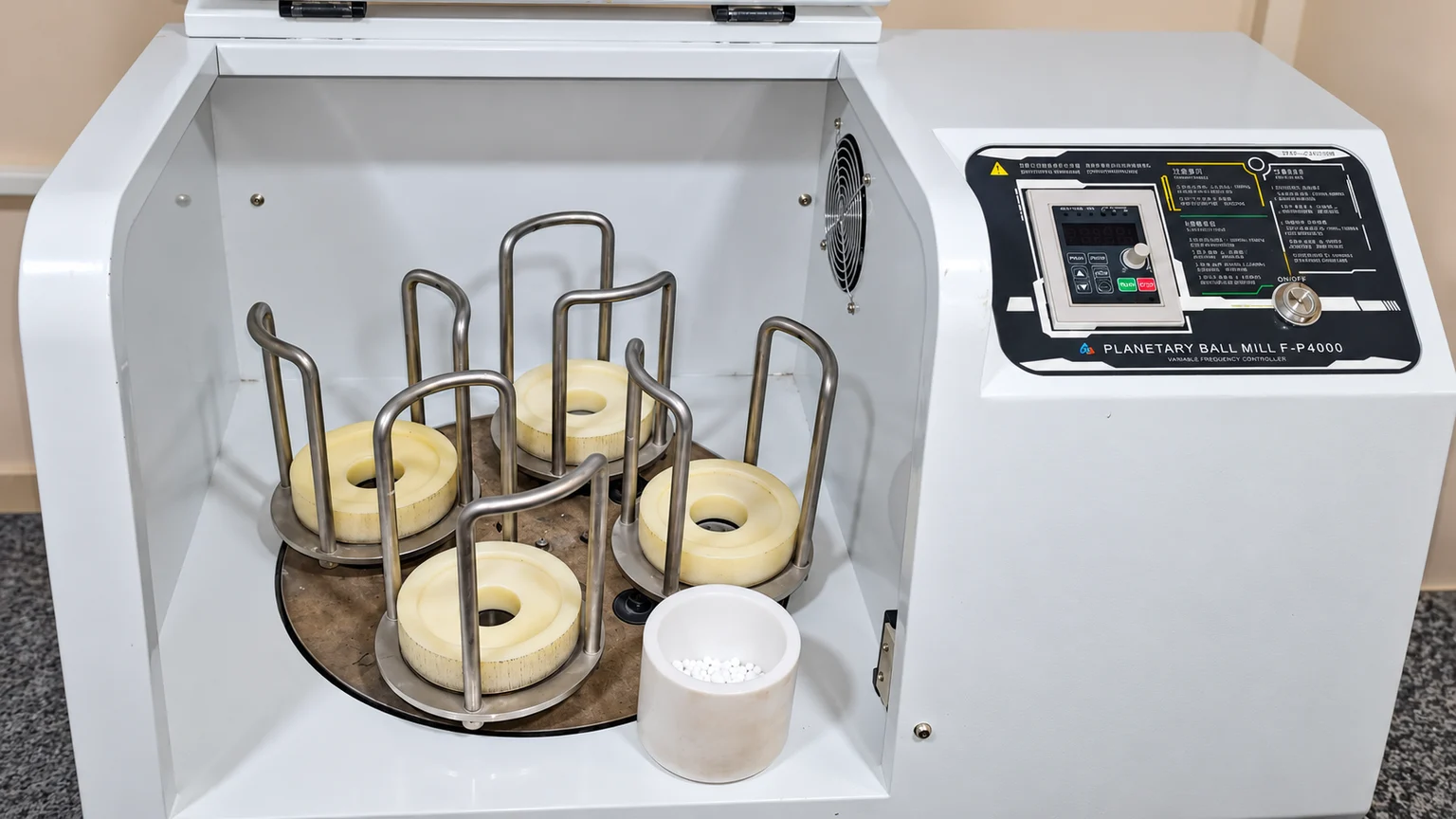
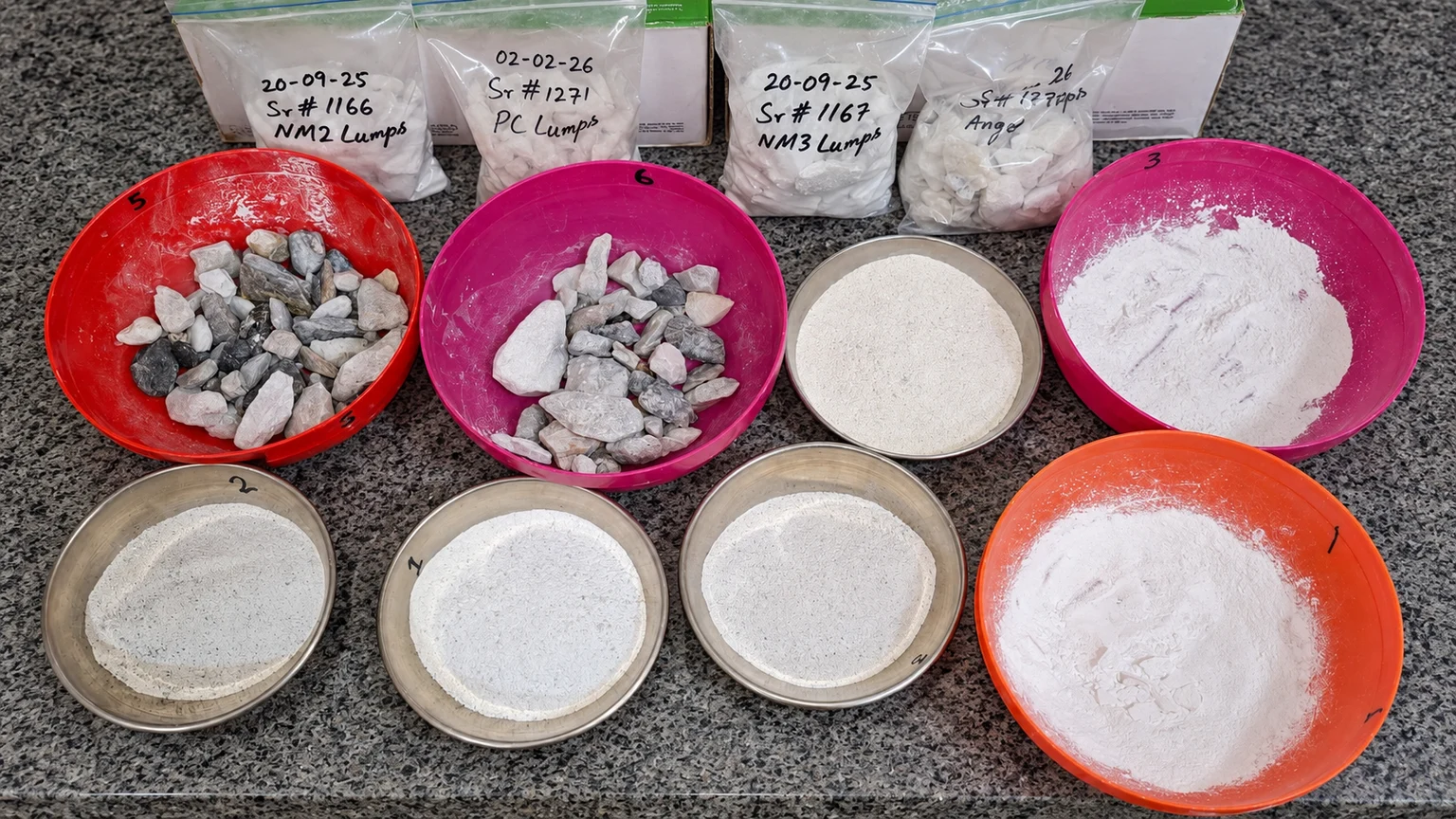
Sample reduction needs an agreed procedure that preserves representation and avoids contamination. State whether the laboratory will receive raw pieces, crushed material or a prepared specimen.
Preparation suitable for one test may not suit another. Confirm the laboratory’s requirements before grinding, homogenizing or otherwise changing a sample intended for mineralogical or asbestos assessment.
| Record | Purpose |
|---|---|
| Source & lot reference | Identify the material covered by the assessment. |
| Sampling record | Describe who collected it, when, where and by which agreed procedure. |
| Sample identifier | Link collected, reduced, laboratory and retained samples. |
| Laboratory report | Record the method, sample description and reported result. |
| Shipment reference | Connect the accepted lot and applicable documents to dispatch. |
This is a checklist of records to agree for an order. Ask which documents are available for the proposed supply.
Interpret results against the identified sample, preparation and test method. One result should not be extended to another origin or an unrepresented lot.
For asbestos testing, review the laboratory report and its analytical scope. SGS Netherlands, RJ Lee Group USA or another qualified laboratory can be discussed for an appropriate assessment.
Read the asbestos-testing guideShare your application, specification and destination. We’ll discuss the material and sampling requirements.